Functional Requirements
| Sl No. | Functional Requirement |
|---|---|
| 1 | The UGV shall provide mobility in forward, reverse, left, and right directions using four hub motors. |
| 2 | The UGV shall support autonomous navigation between predefined waypoints. |
| 3 | The system shall detect obstacles using LiDAR sensor during navigation. |
| 4 | The system shall perform obstacle avoidance during autonomous operation. |
| 5 | The UGV shall provide position information using GPS. |
| 6 | The UGV shall provide orientation and acceleration data using IMU. |
| 7 | The UGV shall provide live video streaming using onboard camera. |
| 8 | The system shall allow remote monitoring from a ground control station. |
| 9 | The system shall regulate power to motors and electronic components using battery and converters. |
| 10 | The UGV shall operate on outdoor terrain including grass, gravel, and inclined surfaces. |
Non-Functional Requirements
| Sl No. | Non-Functional Requirement |
|---|---|
| 1 | The overall dimensions of the UGV shall not exceed 70 cm × 50 cm × 40 cm. |
| 2 | The UGV shall operate at speeds between 0.5 m/s and 1.5 m/s on flat terrain. |
| 3 | The motor drive system shall operate within input voltage range of 31–36 V. |
| 4 | The system shall operate using a battery capable of minimum 30 minutes continuous operation. |
| 5 | The boost converter shall provide 36 V output within ±5% tolerance. |
| 6 | The logic power supply shall provide regulated 5 V output for controller and sensors. |
| 7 | The LiDAR sensor shall detect obstacles within a range of 0.2 m to 10 m. |
| 8 | The vision system shall provide minimum 720p resolution at 15 FPS. |
| 9 | The navigation system shall maintain position accuracy within ±2 m under normal GPS conditions. |
| 10 | The UGV shall operate on slopes up to 15° without loss of stability. |
System Specifications
| Sl No. | System Specification |
|---|---|
| 1 | The UGV shall have maximum dimensions of 70 cm × 50 cm × 40 cm (L × W × H), measured including chassis, wheels, sensors, and all mounted components during final assembly. |
| 2 | The UGV shall use four BLDC hub motors rated at 350 W each, capable of moving the vehicle at a minimum speed of 1.5 m/s on flat outdoor terrain. |
| 3 | The motor drive system shall use RKI 9206 motor drivers operating within an input voltage range of 31–36 V, capable of delivering at least 16 A per motor under peak load conditions. |
| 4 | The system shall operate on a 24 V battery supply and provide a minimum operating time of 30 minutes, measured during continuous autonomous navigation with motors and sensors active. |
| 5 | The power conversion unit shall provide 36 V output using boost converters, maintaining voltage within ±5% tolerance during operation. |
| 6 | The logic power supply shall provide regulated 5 V output, measured while powering controller, LiDAR, GPS, IMU, and communication modules simultaneously. |
| 7 | The LiDAR sensor shall detect obstacles within a range of 0.2 m to 10 m, measured in outdoor conditions with stationary obstacles. |
| 8 | The vision system shall provide live video streaming at minimum 720p resolution and 15 FPS, measured during real-time monitoring. |
| 9 | The navigation system shall provide position accuracy within ±2 meters, measured during outdoor waypoint navigation under normal GPS signal conditions. |
| 10 | The IMU sensor shall provide orientation and acceleration data with an update rate of at least 50 Hz, measured during vehicle motion. |
| 11 | The UGV shall support navigation speed between 0.5 m/s and 1.5 m/s, measured on flat ground during autonomous operation. |
| 12 | The UGV shall operate on grass, gravel, and slopes up to 15°, measured without loss of stability or control. |
| 13 | The obstacle detection system shall achieve at least 50% detection success rate, measured over multiple obstacle avoidance trials during outdoor testing. |
| 14 | The system shall support real-time monitoring with latency less than 5 seconds, measured between the UGV and control station during normal operation. |
| 15 | The navigation system shall maintain stable localization despite GPS noise, measured by keeping position error within ±2 m during motion. |
1. System Design Options
| Function / Subsystem | Option 1 | Option 2 | Option 3 | Option 4 (Added) | Selected Option |
|---|---|---|---|---|---|
| Chassis Material | 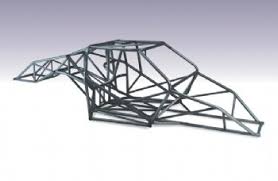 Mild Steel |
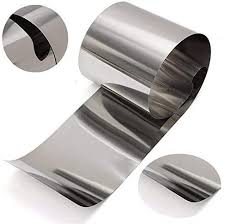 Aluminum |
 Acrylic / Composite |
 Carbon Fiber |
Mild Steel |
| Drive Configuration | 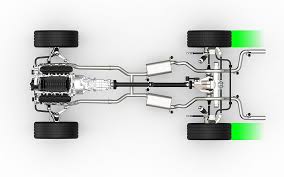 2-Wheel Drive |
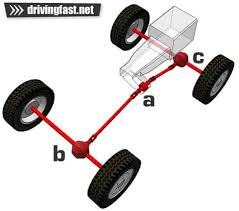 4-Wheel Drive |
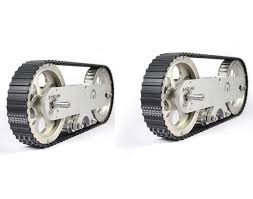 Tracked Drive |
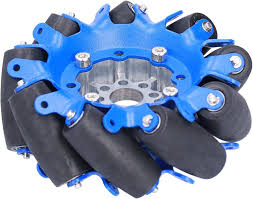 Omni-Wheel Drive |
2-Wheel Drive |
| Motor Type | 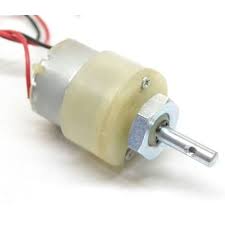 DC Geared Motor |
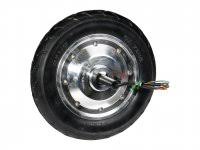 BLDC Hub Motor |
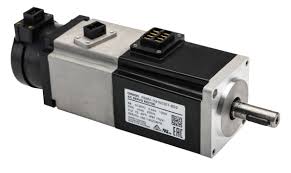 Servo Motor |
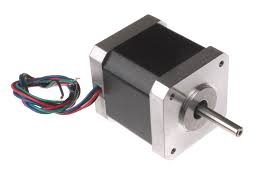 Stepper Motor |
BLDC Hub Motor |
| Control Unit |  Raspberry Pi 4 |
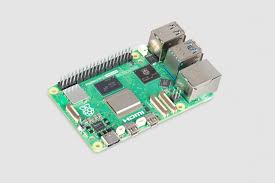 Raspberry Pi 5 |
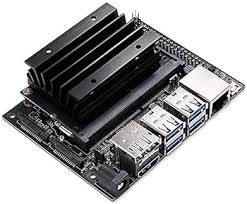 Jetson Nano |
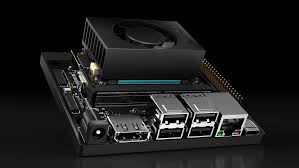 Jetson Orin |
Raspberry Pi 5 |
| Localization Method | 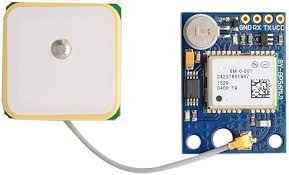 GPS Only |
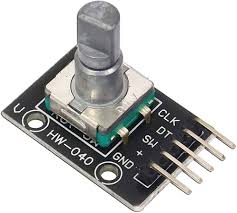 Encoder-Based |
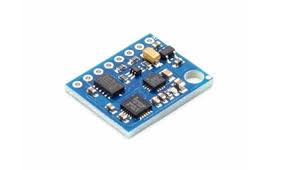 GPS + IMU |
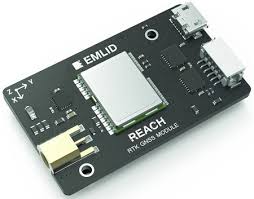 GPS + IMU + RTK GPS |
GPS + IMU |
| Obstacle Detection | 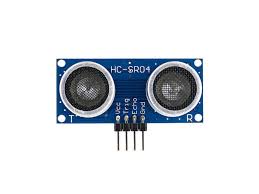 Ultrasonic Sensor |
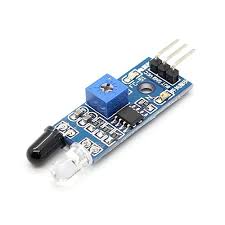 IR Sensor |
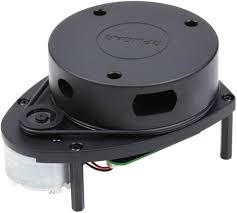 LiDAR |
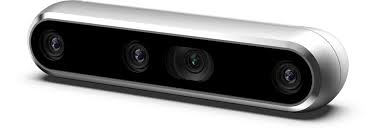 Depth Camera |
LiDAR |
| Orientation Sensing | 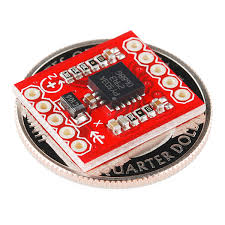 Gyroscope |
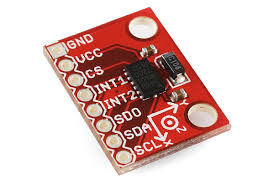 Accelerometer |
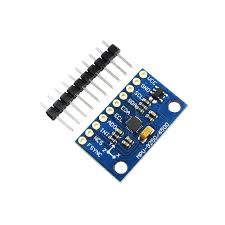 IMU |
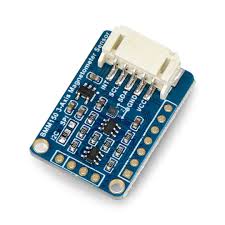 Magnetometer Fusion |
IMU |
| Camera / Monitoring | Depth Camera |
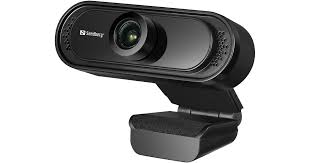 USB Webcam |
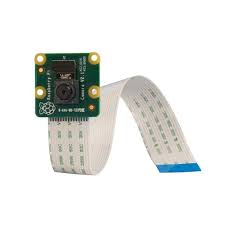 Pi Camera |
.jpg) FPV Camera |
Depth Camera |
| Communication |  Bluetooth |
 Wi-Fi |
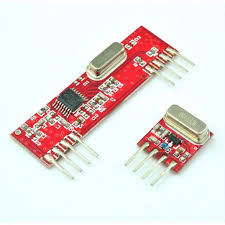 RF Module |
.jpg) LoRa (Long Range) |
Wi-Fi |
| Motor Driver | 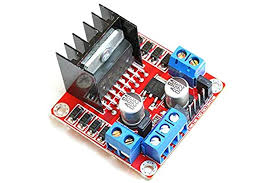 L298N |
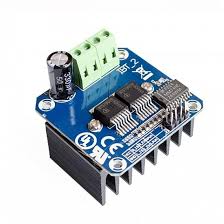 BTS7960 |
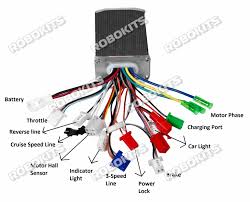 RKI 9206 |
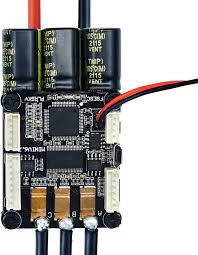 VESC Controller |
RKI 9206 |
| Main Power Source | 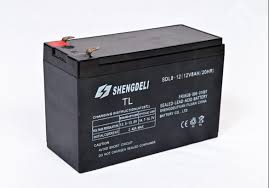 Lead Acid Battery |
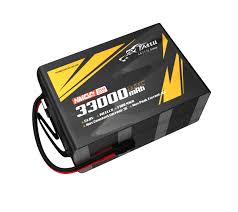 Li-ion Battery |
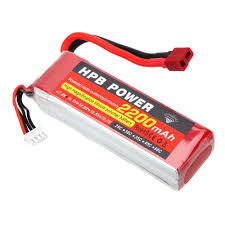 LiPo Battery |
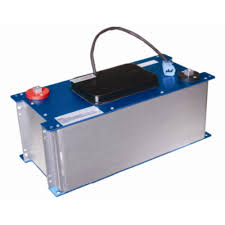 Hybrid + Supercap |
Li-ion Battery |
| Logic Power Supply | 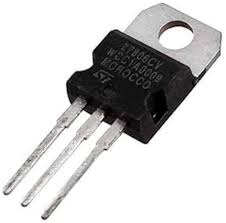 Linear Regulator |
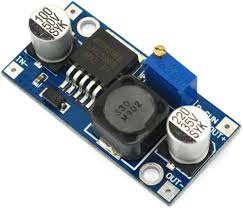 Buck Converter |
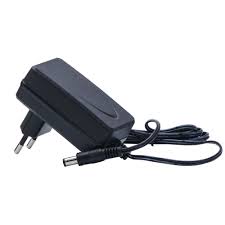 Adapter Supply |
.jpg) Switching Regulator |
Buck Converter |
| Motor Voltage Supply | 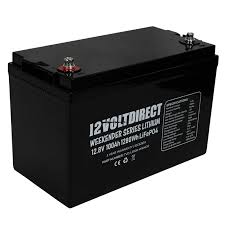 Direct Battery |
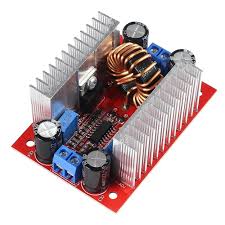 Boost Converter |
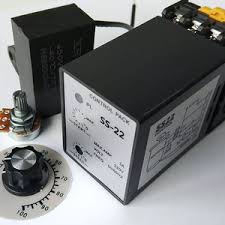 Separate Motor Pack |
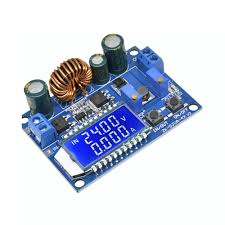 Buck-Boost Converter |
Boost Converter |
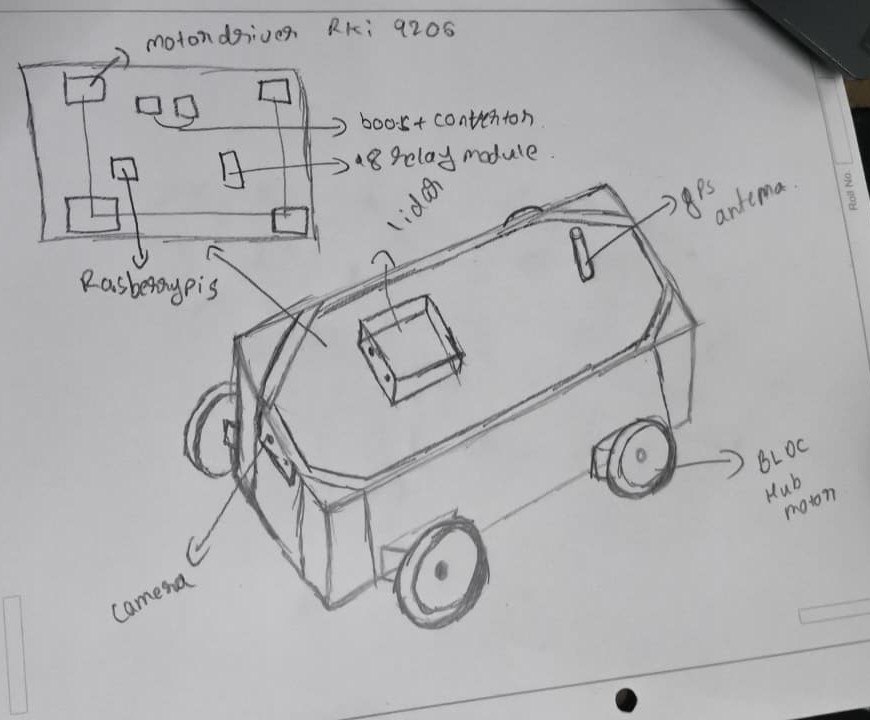
Initial Designs
Design 01
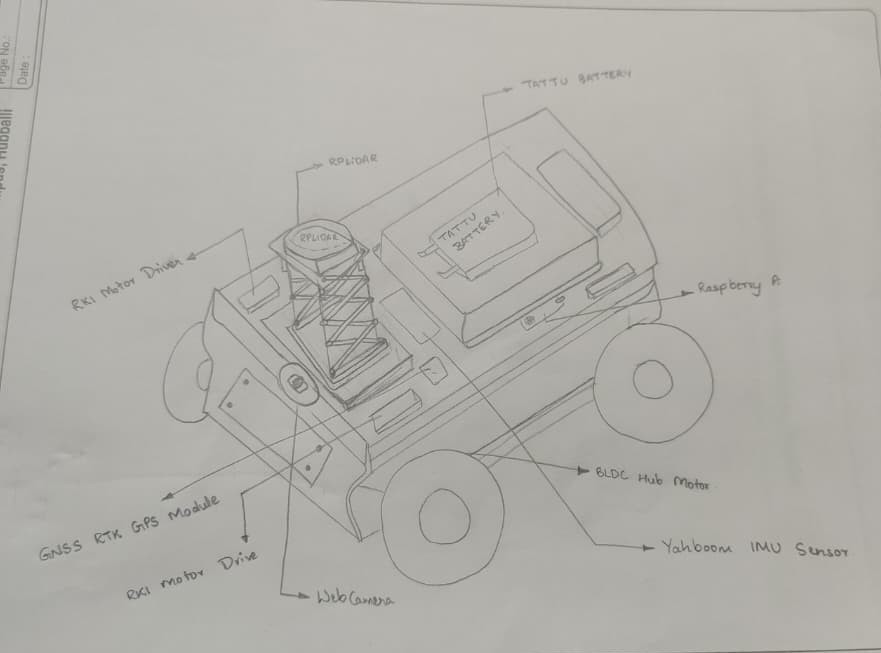
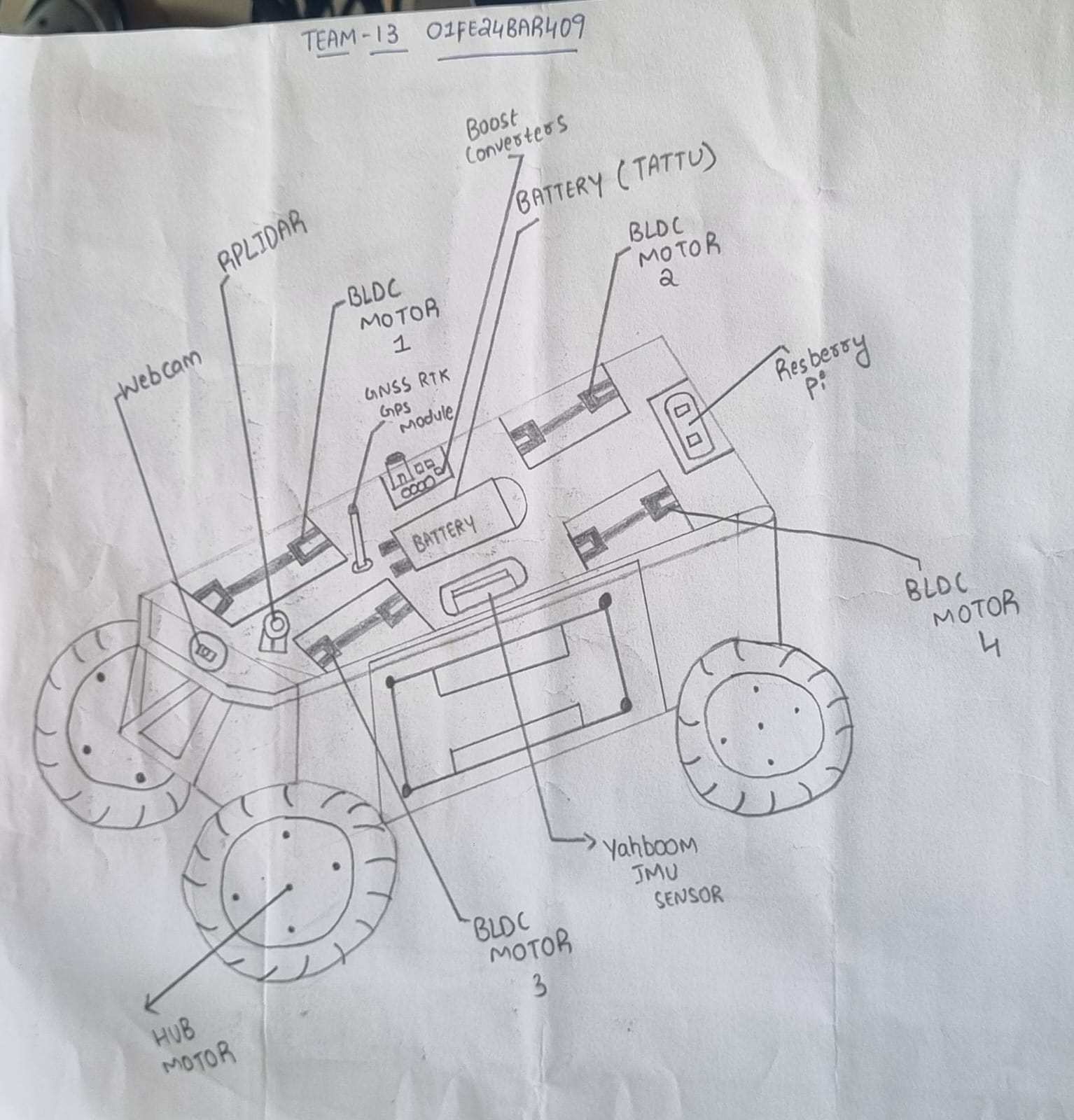
Design 02
Design 03
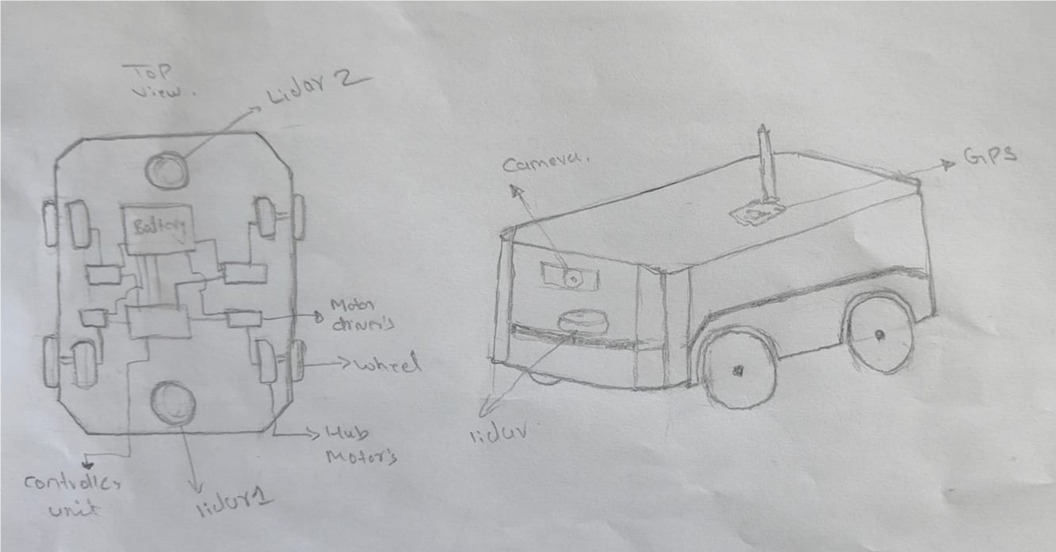
Design 04
Pugh Chart (Concept Selection)
1. Evaluation Criteria & Comparison
| Criteria | Weight | Concept 01 | Concept 02 | Concept 03 | Concept 04 |
|---|---|---|---|---|---|
| Structural Stability | 5 | 0 | 0 | + | + |
| Ease of Fabrication | 4 | + | 0 | 0 | 0 |
| Component Mounting Space | 5 | – | – | + | 0 |
| Sensor Placement Suitability | 5 | 0 | + | + | 0 |
| Weight Distribution | 4 | – | 0 | + | 0 |
| Outdoor Terrain Adaptability | 5 | – | 0 | + | 0 |
| Ease of Maintenance | 3 | + | 0 | + | 0 |
| Wiring / Integration Simplicity | 4 | 0 | – | + | 0 |
| Expandability / Modularity | 5 | – | 0 | + | 0 |
| Overall Feasibility | 5 | 0 | 0 | + | 0 |
2. Final Score Summary
| Concept | Positive (+) | Same (0) | Negative (–) | Decision |
|---|---|---|---|---|
| Concept 01 | 2 | 4 | 4 | ❌ Not Selected |
| Concept 02 | 3 | 5 | 2 | ❌ Not Selected |
| Concept 03 | 8 | 2 | 0 | ✅ Selected |
| Concept 04 | 1 | 9 | 0 | ❌ Not Selected |
✅ Finalised Design — Concept 03
The selected design based on Pugh Chart evaluation. This concept scored highest with 8 plus points, 2 minus points, and 0 same — making it the optimal choice for our UGV platform.
🔧 Final Component List
| Sl No | Component Name | Specifications | Quantity |
|---|---|---|---|
| 1 | GPS Module | GPS L76X | 1 |
| 2 | IMU Sensor | MPU6050 | 1 |
| 3 | Motors | BLDC Hub Motors | 4 |
| 4 | Motor Drivers | RKI 9206 | 4 |
| 5 | Control Unit | Raspberry Pi 5 (16 GB RAM) | 1 |
| 6 | Battery | TATTU 30000 mAh | 1 |
| 7 | Relay Module | 4-Channel Relay | 1 |
| 8 | LiDAR | RP LiDAR | 1 |
| 9 | Camera | Depth Camera D435i | 1 |
| 10 | Battery Charger | T240 & T400 AC/DC DUO | 1 |
| 11 | Buck Converter | DC-DC 5V 5A | 1 |
| 12 | Acrylic Sheet | 400 mm × 600 mm × 5 mm | 1 |
| 13 | Memory Card | 128 GB | 1 |
| 14 | Boost Converters | 22V → 36V | 4 |
| 15 | UGV Chassis | 400 mm × 600 mm × 20 mm | 1 |
| 16 | Nuts & Bolts | M12 × 50 mm | 40 |